Improving SEO Project Performance with Technical Systems

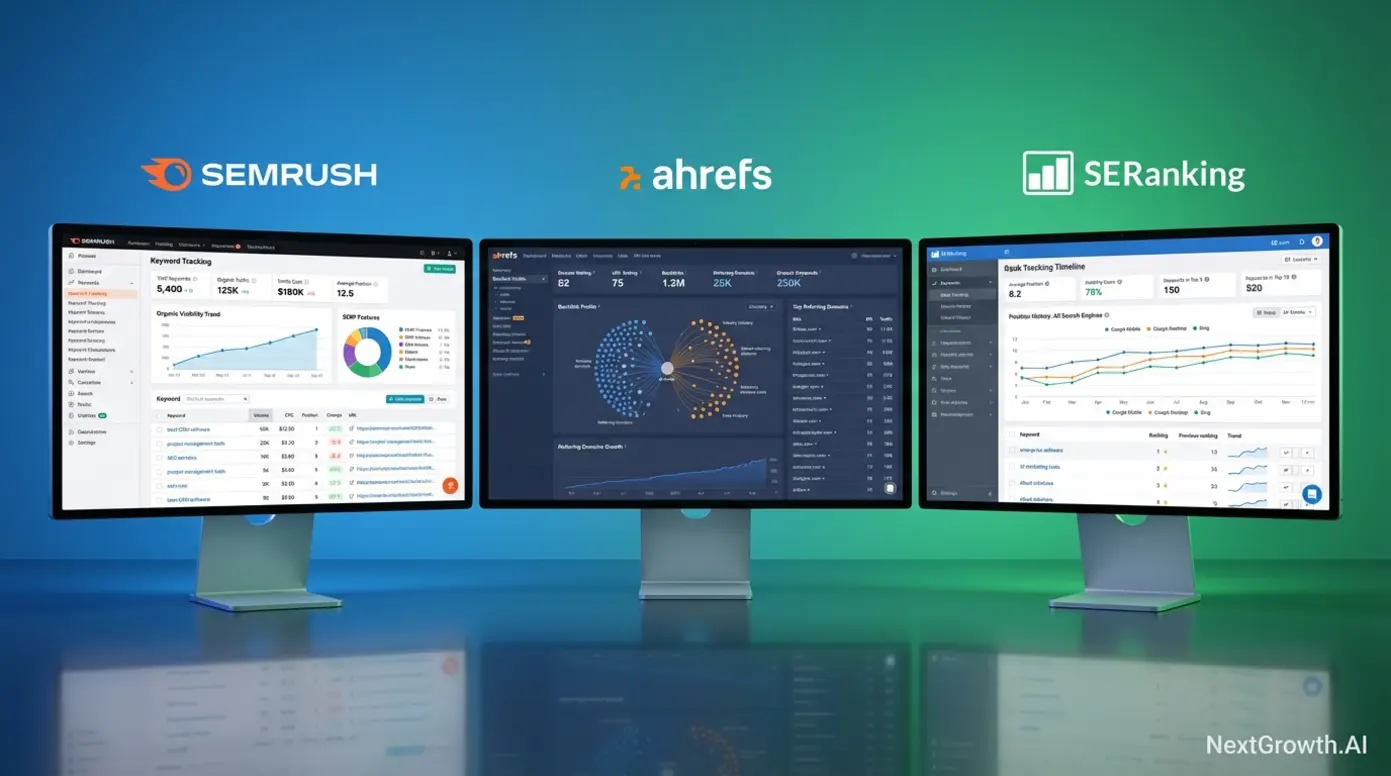
At $29/month on yearly billing, you get rival keyword portfolios and advertisement history without the enterprise cost tag. Semrush and Ahrefs go deeper on database size and have actually devoted gap-analysis views, however you're paying a steeper premium for that coverage. If you're doing this at scale or need the most total natural footprint data, Semrush or Ahrefs wins.
Open your top 10 to 15 target keywords in incognito, note every domain appearing repeatedly in the top 10, and by hand read competitor titles, headers, URLs, and "Individuals Also Ask" boxes to pull the terms they're targeting. It's slower than dropping a domain into Semrush or Ahrefs, but it works.
Google Browse Console gives you your own ranking data totally free, so the space ends up being visible when you line up your positions against what rivals are noticeably targeting. Regular keyword research starts from a blank page: you conceptualize terms, inspect volumes, and guess at what buyers type. Keyword space analysis starts from tested demand.
what is a GSA SER projectYou avoid the guessing entirely and reverse-engineer a keyword list from websites currently winning the searches you want. Your content strategy is constructed on real signal, not inklings. Yes, and this is where a standard competitor keyword analysis misses the full image. Strong organic rankings feed AI citations, however the two surface areas aren't identical.
Enhancing SEO Project Success through Automated Systems
Running your gap analysis versus both organic results and AI-generated responses closes that blind spot; if you just track the blue links, you're missing out on half the competitive intelligence. Monthly works for a lot of groups. That cadence captures brand-new competitor content, algorithm changes, and fresh domains burglarizing your leading ten before they intensify a lead you can't close rapidly.
The system doesn't require to be elaborate: one spreadsheet, your top priority keywords, each competitor's position, updated on your cadence, with any row that moved more than a couple of areas flagged for action.
Enterprise SEO reporting in 2026 centers on not ranking modifications. Google's AI-generated outputs increasingly control what users see, while executive stakeholders scrutinize spend through pipeline and incremental ROI, not keyword charts. The best reporting platform consolidates data, discusses results, and endures CFO-level questioning. This guide compares 10 toolsusing a business, bottom-of-funnel lens.
SEO reporting tools gather search-performance, technical SEO, and competitive signals, then translate them into control panels, automated reports, and stakeholder-ready stories. In 2026 they increasingly include AI-surface exposure (AI Overviews citations), anomaly detection, and revenue-adjacent metrics to support executive decision-making and spending plan responsibility. SEO reporting utilized to be a month-to-month routine: export rankings, reveal sessions and conversions, paste screenshots into slides.
Improving SEO Project Performance with Technical Systems
SparkToro reports zero-click behavior at scalewhich implies "we grew impressions but clicks stayed flat" is no longer inherently a warning; it can be a SERP reality that needs executive interpretation and alternative KPIs.AI-generated SERP parts reshape exposure. Numerous reports suggest AI-generated outputs appear across a large share of questions, with AI Overviews triggering in a significant minority and dismaying conventional click habits by around in evaluated datasets.
That presses business toward reporting that tracks, not just last-click sessions. A modern-day SEO reporting tool functions like a decision system: merge information sources, identify what altered, measure organization impact, and produce outputs that work for both operators and executives. Google Search Console, analytics, rank trackers, backlinks, crawl data, and frequently CRM/marketing automation.
Anomaly signals, automated commentary, motorist analysis, and narrative summaries (human-editable). Features, intent shifts, and classification standards. Opportunity sizing, pipeline influence, or a minimum of mapping natural to conversion occasions and assisted paths. SSO, approvals, audit tracks, and compliance expectations in enterprise environments. SERPs now behave like an item surface, not a list of links.
Evergreen Media's analysis of AI Overviews reveals they can lower click traditional links by approximately when present, which breaks older presumptions tying ranking position straight to traffic. When a CMO asks why traffic dipped while brand name demand rose, the response might reside in SERP composition and AI answer behavior instead of content quality alone.
Evaluating Advanced SEO Project Building for 2026
Dashboards need to highlight: AI feature activates, non-click visibility patterns, and how those associate with top quality search, conversions, and sales discussions (analysis supported by wider AI-search pattern data in Gartner forecasts). SEO spending plans increasingly face the same analysis as paid media and sales headcount. Moz study reporting suggests undergo quarterly CFO reviews, with spending plan pressure connected to weak income attribution.
what is a GSA SER projectThat moves SEO reporting from "activity reporting" to "service reporting."A capable platform helps equate SEO into the language financing expects: pipeline influenced, incremental ROI, and forecast scenarios.