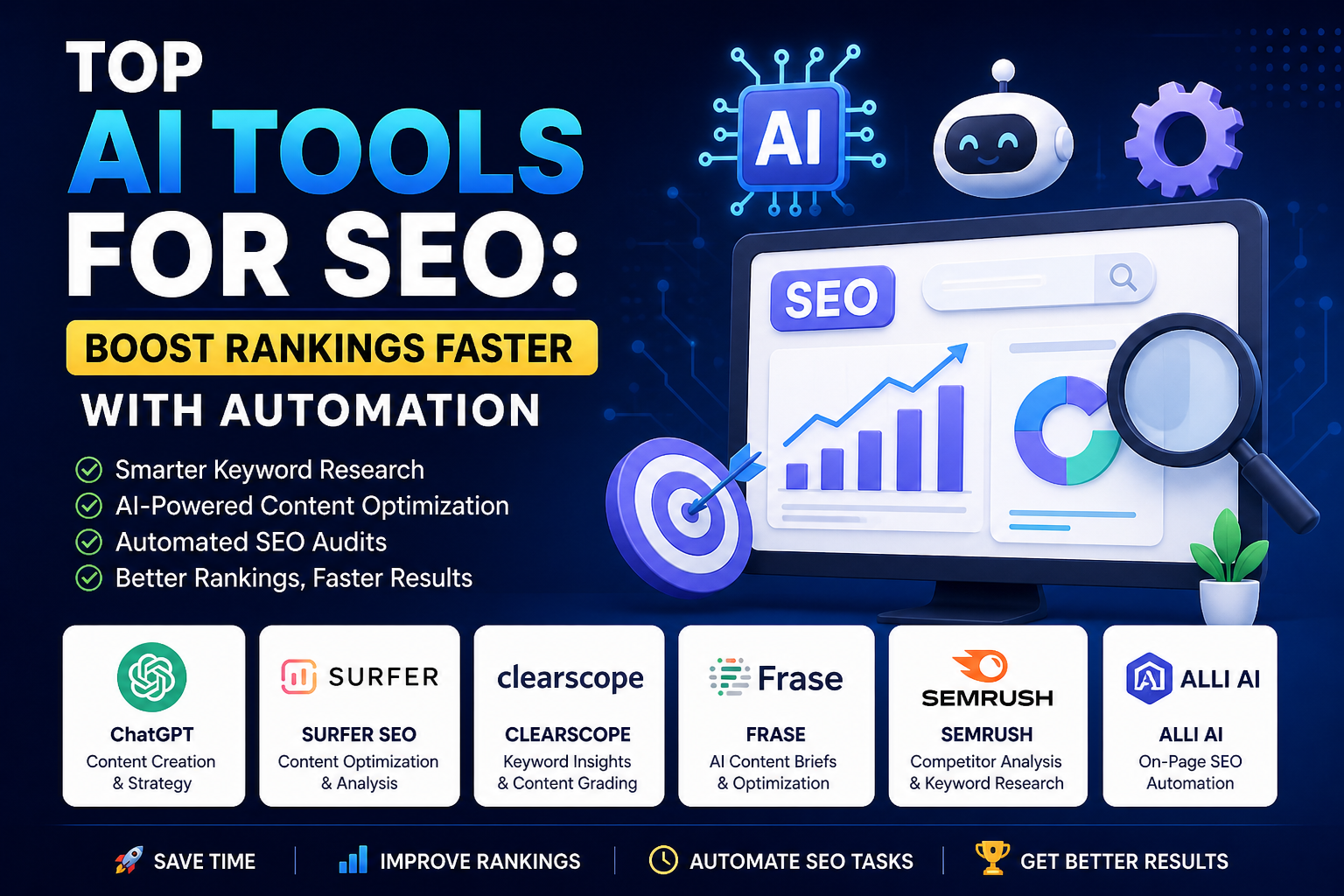
Improving SEO Project Performance through Technical Logic

At $29/month on annual billing, you get rival keyword portfolios and ad history without the enterprise price. Semrush and Ahrefs go deeper on database size and have devoted gap-analysis views, however you're paying a steeper premium for that protection. If you're doing this at scale or need the most total organic footprint data, Semrush or Ahrefs wins.
Open your top 10 to 15 target keywords in incognito, note every domain appearing repeatedly in the top ten, and by hand check out rival titles, headers, URLs, and "People Also Ask" boxes to pull the terms they're targeting. It's slower than dropping a domain into Semrush or Ahrefs, however it works.
Google Search Console gives you your own ranking data free of charge, so the space becomes visible when you line up your positions versus what competitors are noticeably targeting. Regular keyword research study begins with a blank page: you brainstorm terms, check volumes, and guess at what purchasers type. Keyword space analysis begins with proven need.
You avoid the guessing totally and reverse-engineer a keyword list from sites currently winning the searches you want. Yes, and this is where a basic rival keyword analysis misses out on the complete photo.
Advanced Methods to Identify SEO Footprints at Scale
Running your space analysis versus both organic outcomes and AI-generated responses closes that blind spot; if you just track the blue links, you're missing half the competitive intelligence. Monthly works for most groups. That cadence catches brand-new rival material, algorithm changes, and fresh domains breaking into your top 10 before they compound a lead you can't close quickly.
The system doesn't need to be intricate: one spreadsheet, your priority keywords, each rival's position, updated on your cadence, with any row that moved more than a few spots flagged for action.
Business SEO reporting in 2026 centers on not ranking changes. Google's AI-generated outputs progressively control what users see, while executive stakeholders inspect spend through pipeline and incremental ROI, not keyword charts. The best reporting platform combines information, discusses results, and stands up to CFO-level questioning. This guide compares 10 toolsusing a business, bottom-of-funnel lens.
SEO reporting tools collect search-performance, technical SEO, and competitive signals, then equate them into dashboards, automated reports, and stakeholder-ready stories. In 2026 they increasingly integrate AI-surface presence (AI Overviews citations), anomaly detection, and revenue-adjacent metrics to support executive decision-making and budget responsibility. SEO reporting used to be a regular monthly routine: export rankings, show sessions and conversions, paste screenshots into slides.
Superior Project Architecture for Efficiency
SparkToro reports zero-click habits at scalewhich indicates "we grew impressions but clicks remained flat" is no longer inherently a warning; it can be a SERP reality that requires executive interpretation and alternative KPIs.AI-generated SERP parts reshape exposure. Numerous reports indicate AI-generated outputs appear throughout a large share of queries, with AI Overviews triggering in a meaningful minority and dismaying conventional click habits by around in evaluated datasets.
That presses enterprises toward reporting that tracks, not only last-click sessions. A modern SEO reporting tool functions like a choice system: unify information sources, discover what altered, measure service impact, and produce outputs that work for both operators and executives. Google Browse Console, analytics, rank trackers, backlinks, crawl information, and frequently CRM/marketing automation.
Anomaly signals, automated commentary, driver analysis, and narrative summaries (human-editable). Opportunity sizing, pipeline impact, or at least mapping organic to conversion events and helped courses.
Evergreen Media's analysis of AI Overviews shows they can reduce click conventional links by roughly when present, which breaks older assumptions connecting ranking position directly to traffic. When a CMO asks why traffic dipped while brand need rose, the answer might reside in SERP composition and AI answer behavior rather than content quality alone.
Enhancing SEO Project Performance through Automated Logic
Dashboards need to highlight: AI function triggers, non-click visibility trends, and how those correlate with branded search, conversions, and sales discussions (analysis supported by wider AI-search trend data in Gartner forecasts). SEO budget plans increasingly face the very same analysis as paid media and sales headcount. Moz study reporting suggests go through quarterly CFO evaluations, with budget pressure connected to weak revenue attribution.
That shifts SEO reporting from "activity reporting" to "company reporting."A capable platform helps equate SEO into the language finance anticipates: pipeline affected, incremental ROI, and projection circumstances.