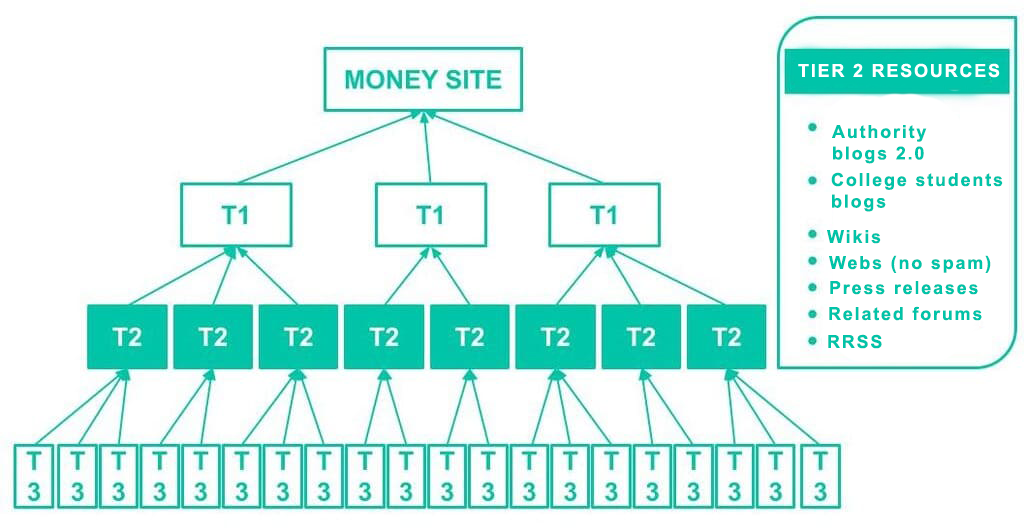
Advanced Methods to Map SEO Footprints at Scale
The free route: Open each competitor's top-level pages and note the terms they target in titles, headers, and URLs. Every question there is a keyword somebody typed.
Drop a competitor domain into Semrush, Ahrefs, or SpyFu, and you have actually got their complete natural keyword footprint in one export, positions and volumes consisted of. If you're still choosing between tools, the breakdown covers how they compare on database size, problem scoring, and gap protection. Run this throughout every competitor you called.
Once you have every competitor's keyword export, the analysis is a sorting task. Overlay your own ranking data versus theirs and drop every keyword into among 3 buckets. BucketWhat it meansWhy it mattersMissingCompetitors rank, you don't appearThe greatest opportunityWeakYou both rank, but they sit above youA foothold to safeguard and improveSharedYou rank at approximately equal positionsLow top priority, already competitiveDo this across two or more competitors at the same time.
That overlap is the signal worth acting upon. 2 concerns drive the output: where do several competitors rank while you're missing, and where are you stuck on page two behind one beatable competitor? The first is material you have not written. The 2nd is a page you can press with a targeted reword.
Advanced Logic for Automated SEO Ranking Workflows
SpyFu is the budget plan entry point, built to appear rival keyword portfolios, ad spend history, and historic ranking information. Bigger keyword databases, dedicated gap-analysis views, and a cost tag to match, well above SpyFu.
You'll never ever see a competitor's data in there. Semrush, Ahrefs, and SpyFu all use restricted gain access to, enough to run through the space workflow before committing.
Traffic for traffic's sake is sound. Avoid terms your domain can't compete for. Enough need to require the compose. Closer to a buying choice beats vanity volume whenever. Stop dealing with keywords as one-off targets. Group related gaps into topic clusters, develop the pillar first, then fill in the supporting posts around it.

Your keyword space doesn't stop at the blue links. A keyword space on Google is a missing natural ranking.
Enhancing SEO Project Success with Automated Systems
The two overlap greatly. A found that 94% of keywords revealing a Google AI Overview had at least one citation overlapping the top 20 organic outcomes. Strong organic rankings feed AI citations, so your natural space list is a solid beginning point for your citation space list. They're not identical, though.
GSA SER project serviceOr make the citation without ranking first. The surfaces are associated, not interchangeable. When a competing earns the citation for a cluster you're missing out on, the gap compounds. They collect the natural click and the AI mention. You collect neither. Run your gap analysis against both surfaces, and pair it with a strategy for, surpassing the blue links.
Rivals release brand-new content, algorithms shift, and fresh domains get into your SERPs. The picture you developed today wanders within weeks. Set a cadence and stay with it. Regular monthly works for many groups. In a fast-moving niche where rankings churn week to week, go weekly. The exact same cadence uses to AI search: along with organic positions provides you the full image.
Comparing Automated SEO Project Design in 2026
Your rankings slipping on shared keywords a rival simply enhanced. Brand-new domains entering your leading 10 that weren't there last month. A light-weight system beats a fancy one you abandon. One spreadsheet, your top priority keywords, each competitor's position, updated on your cadence. Flag any row that moved more than a few spots.
Everything above works by hand. It also takes hours per competitor, and the entire thing goes stagnant the moment you close the spreadsheet. I constructed Maintouch to run this loop continuously. Proprietary crawlers track rival rankings around the clock, surface area your missing out on and weak keywords versus every rival simultaneously, and feed those gaps straight into a ranked material calendar.
No sorting. No company coordination. The gap analysis stops being a quarterly audit and becomes a standing input to what gets composed next. The free AI exposure tool tracks 35 prompts throughout ChatGPT, Google Gemini, Google AI Overviews, Perplexity, and Claude for a complete year at no charge, so you can see which citations your competitors are making while you're missing.